
The Graduated Approach
Our guide explores the process and shares key highlights from the SEND Code of Practice.
You can download the PDF using the link below or scroll down to read the full text version.
[PDF, 4 pages]
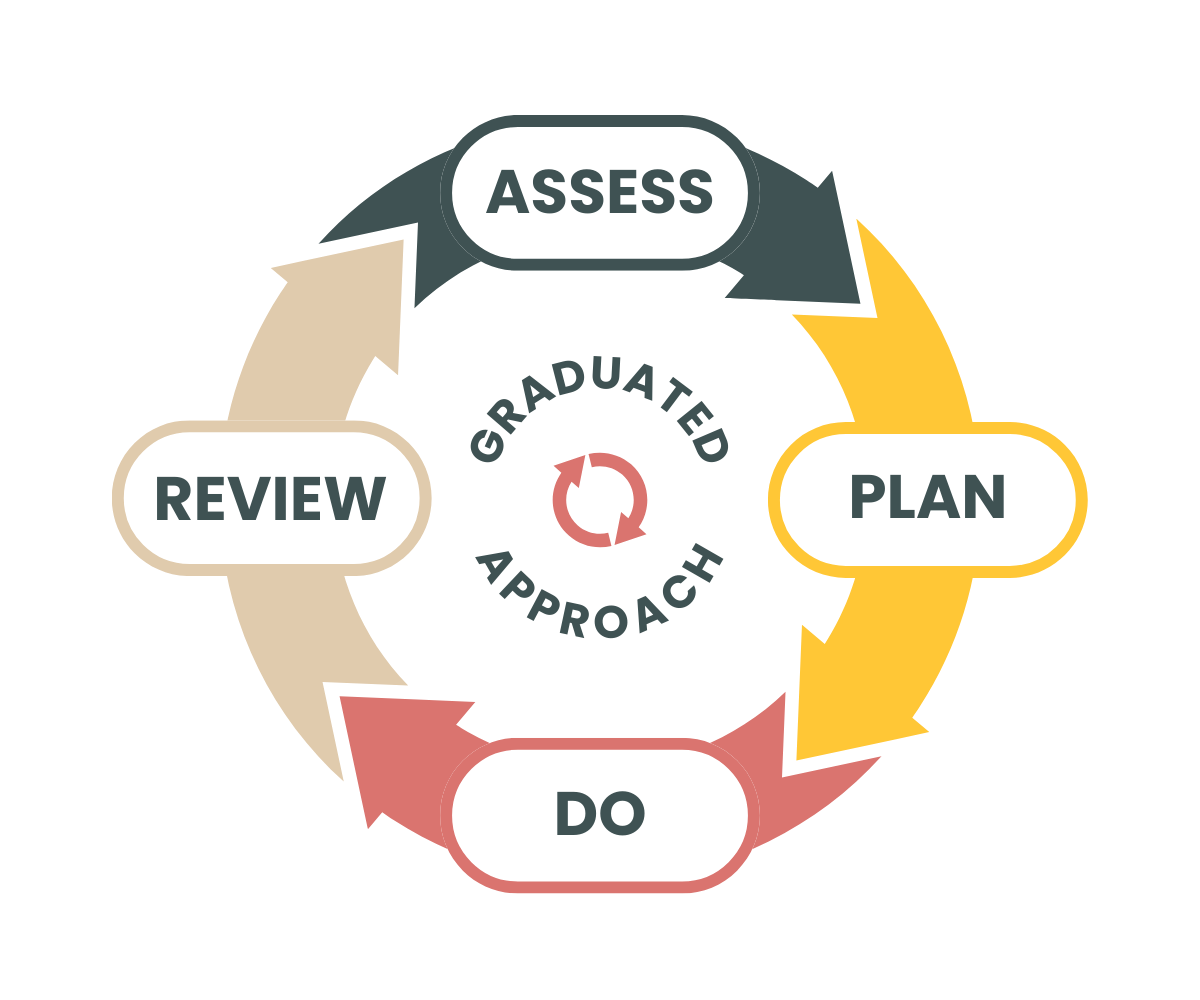
The Graduated Approach is a process designed to make sure children with Special Educational Needs (SEN) get the right support at the right time.

The four steps
This approach helps schools and parents work together to:
- Understand a child’s needs
- Set clear, meaningful goals
- Put support in place and check how well it’s working
By focusing on each child’s strengths and aspirations, the process supports learning, growth, and positive outcomes.
Step 1:
Assess
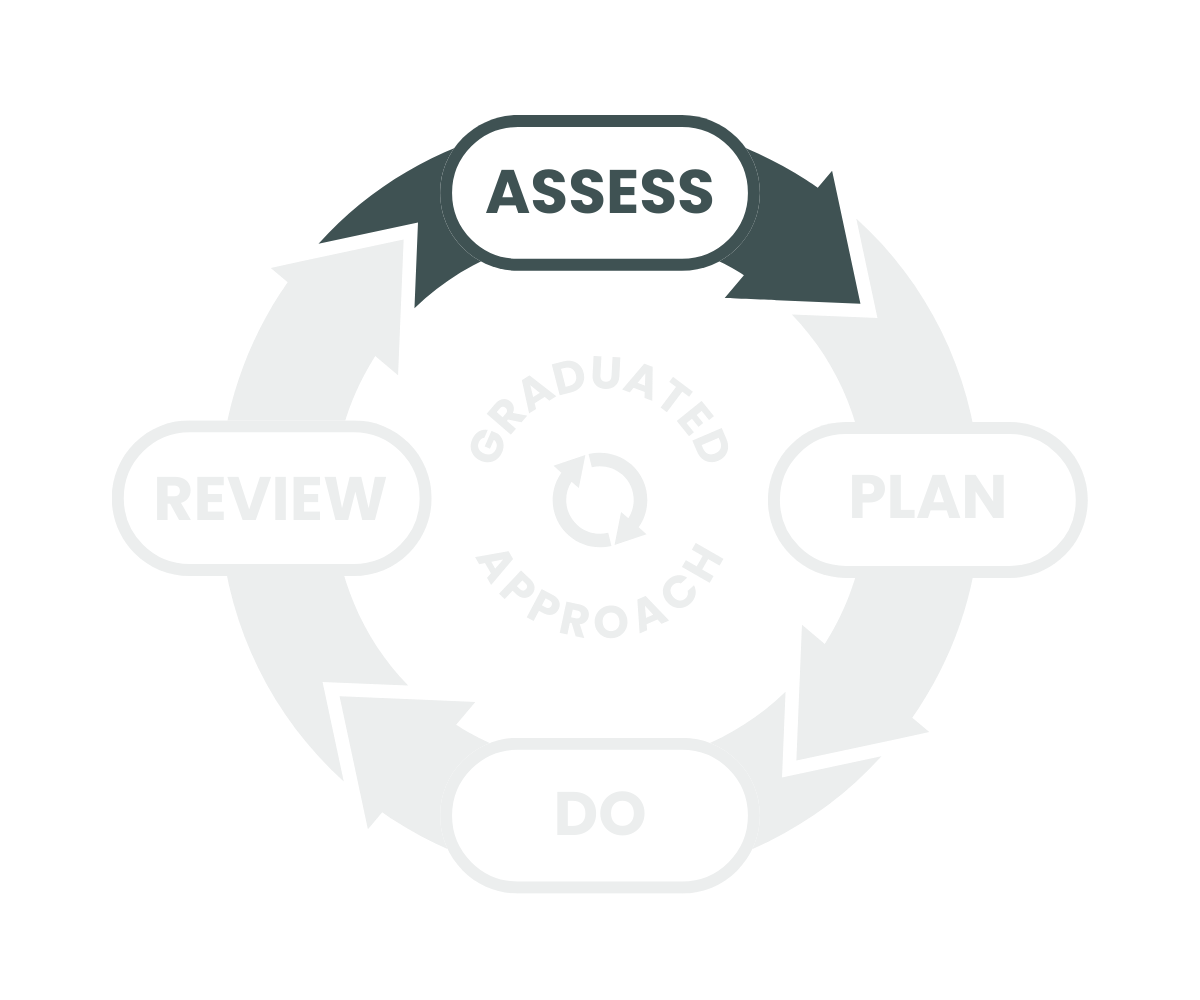
Teachers, the SENCO, parents, and other professionals work together to build a clear picture of a child’s needs by gathering:
- Classroom observations and assessments
- Progress compared to peers
- Parent’s views and child’s voice
- Input from other professionals, including health and social care (if involved)
With parental consent, the school may seek advice from other professionals.
SEND Code of Practice (2015) legal basis
Paragraph 6.45:
Schools should take seriously any concerns raised by a parent.
Step 2:
Plan
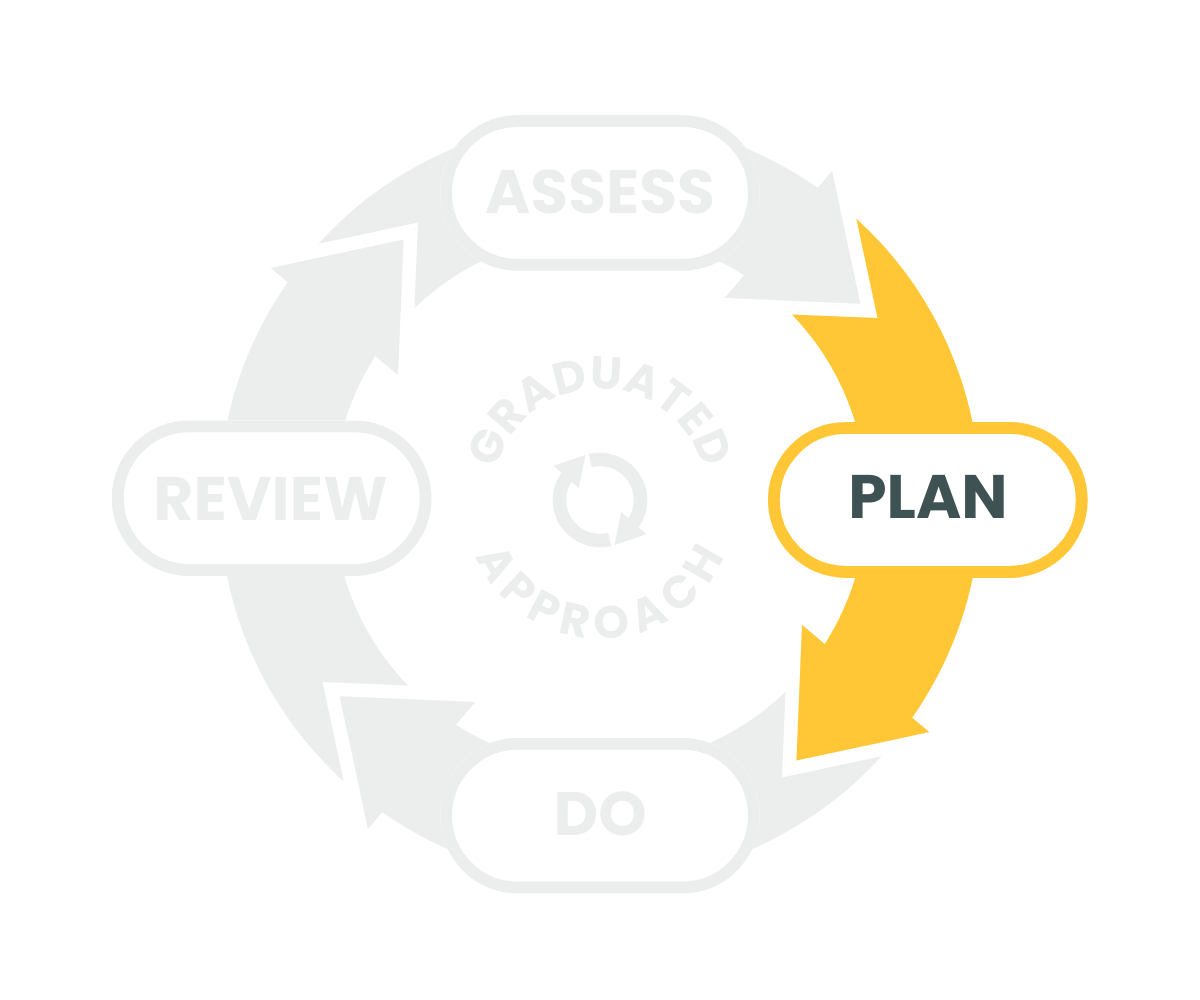
Once needs are identified, the next step is to agree on a clear support plan together.
This includes:
- Goals and outcomes
- Strategies and resources
- Expected impact
- Who’ll provide support
- When progress will be reviewed
SEND Code of Practice (2015) legal basis
Paragraph 6.48:
Where it is decided to provide a pupil with SEN support, the parents must be formally notified, although parents should have already been involved in forming the assessment of needs.
Step 3:
Do
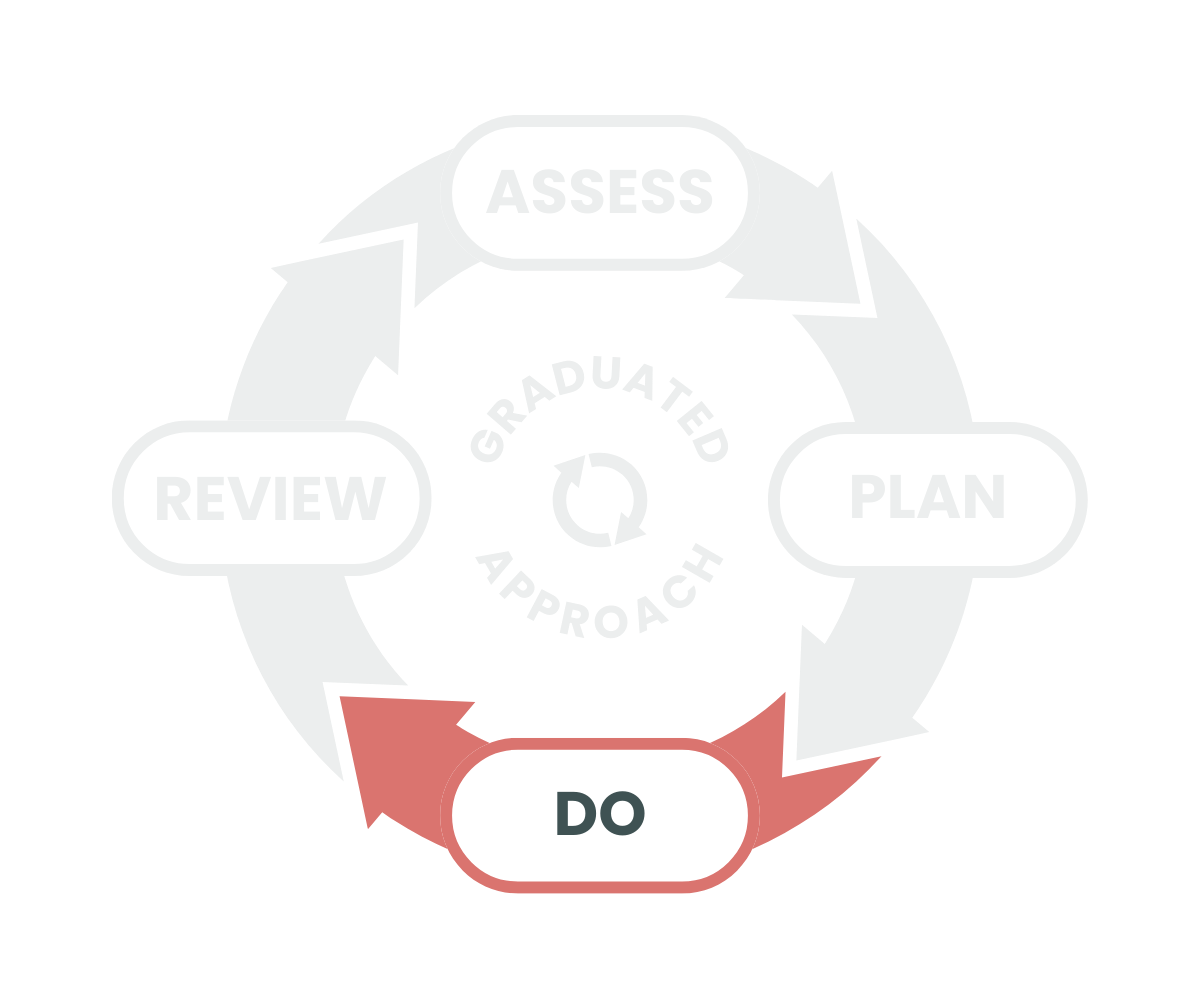
This stage is about putting the agreed support into practice:
- Support should be tailored, evidence-based, and regularly reviewed
- Schools keep parents informed about how the plan is being delivered
- The teacher remains responsible for a child’s learning every day, even when extra help is provided
SEND Code of Practice (2015) legal basis
Paragraph 6.52:
The class or subject teacher should remain responsible for working with the child on a daily basis. Where the interventions involve group or one-to-one teaching away from the main class or subject teacher, they should still retain responsibility for the pupil.
Step 4:
Review
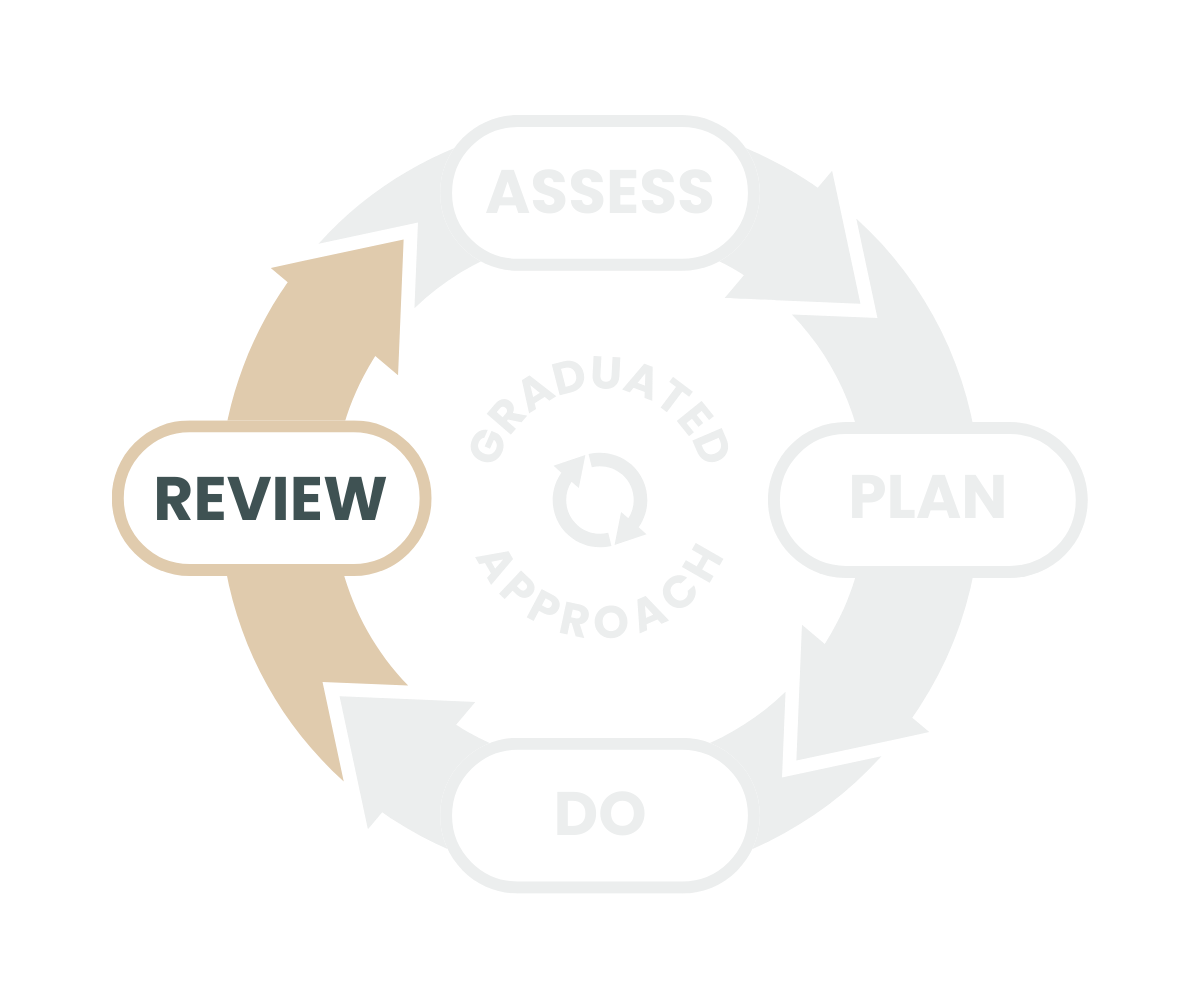
Support is reviewed regularly to see how well it’s working. During reviews, teachers and the SENCO look at:
- Impact and quality of support
- Progress information
- Parent’s views and child’s voice
Reviews usually take place at least three times a year (once each term).
SEND Code of Practice (2015) legal basis
Paragraph 6.65:
Schools should meet parents at least three times each year.
Next Steps
After each review, the cycle begins again. Depending on progress, next steps may include:
- Continuing with the current plan
- Updating the plan and adjusting strategies or goals to meet changing needs
- Seeking professional advice
If further support is needed, parents and the school may consider requesting an Education, Health and Care (EHC) Needs Assessment as the next step.